
YOUR STYLE
YOUR DANCE
LOCKING
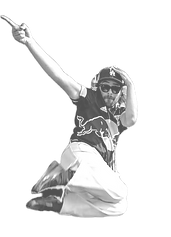
Locking is a funk dance style that was accidentally created in Los Angeles in the late 1960s by Don “Campbellock” Campbell. While attempting the “Robot Shuffle,” he froze his body in quick, rhythmic positions — a movement that gave rise to the name “locking” and later became popular worldwide through the group The Lockers in the 1970s.

POPPING
Popping is a funk dance style created in the early 1970s in Fresno, California, by Sam “Boogaloo Sam” Solomon. He developed the technique of rapidly contracting and relaxing the muscles to create synchronized “pops” to the beat of the music, drawing inspiration from locking, the robot, and funk culture. It gained worldwide popularity through the group The Electric Boogaloos, the TV show Soul Train, and films such as Breakin’.

HIP HOP
STYLES
Hip Hop Freestyle / Dances are a collection of street dance styles that emerged in the early 1970s in the Bronx, New York, created by African American and Latino youth as part of hip hop culture. They combine influences from breaking, locking, popping, and the social dances of the time, and have since become popular worldwide.
HOUSE
House Dance is a club dance style that emerged in the early 1980s in Chicago and New York, created by Black and Latino clubgoers in nightclubs where the new house music was being played. It combines torso movements known as “jacking” with fast footwork and influences from disco, salsa, tap, jazz, and capoeira.

BREAKING
Breaking is a street dance style that emerged in the early 1970s in the Bronx, New York, created by African American and Latino youth who danced to the “breaks” (instrumental sections) introduced by DJs such as Kool Herc and Grandmaster Flash. It combines acrobatic movements, footwork, and freezes, and became a creative alternative to gang violence before spreading worldwide and becoming an Olympic sport in 2024.


WAACKING
Waacking (or Whacking) is a street dance style that originated in LGBTQ+ clubs in Los Angeles in the 1970s. It is characterized by fast, expressive arm rotations, dramatic poses, and a strong emphasis on musicality, typically danced to disco and funk music.

BALLET
Ballet is a technical and theatrical dance style that originated in the courts of Renaissance Italy in the 15th century and was further developed in France during the 17th century. It is characterized by graceful, precise, and codified movements, often performed en pointe, with an emphasis on upright posture, turnout, lightness, and symmetry. Ballet is used to tell stories or express emotions through performances featuring music, sets, and costumes.
Contemporary Dance is a form of dance that emerged in the 1950s as an evolution of modern and postmodern dance. It is characterized by freedom of movement, the absence of fixed techniques, improvisation, choreographic experimentation, and the integration of other artistic disciplines such as theatre, performance, and visual arts. It seeks to express ideas, emotions, and everyday experiences in a more organic and less rigid way than ballet.
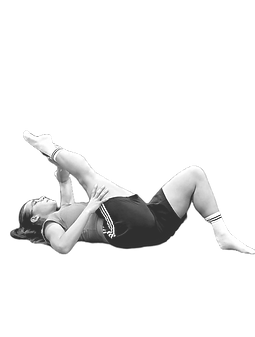
Floor Barre is a physical conditioning and body technique class that adapts classical ballet exercises to the horizontal plane (on the floor). Its aim is to stretch, strengthen, and improve muscular control, correct posture, enhance balance, and prevent injuries. It is suitable for both dancers and people of all ages as a complete workout focused on strength, flexibility, and body awareness.
DANÇA
CONTEMPORÂNEA

DE CHÃO
BARRA
DANCEHALL
Dancehall is a popular Jamaican music genre and dance style that emerged in the late 1970s, originating in the “dance halls” of Kingston as a faster, more digital evolution of reggae. It is characterized by electronic beats and lyrics about street life, parties, and romance, as well as a sensual, energetic dance style featuring choreographed steps with African and Caribbean influences.


COMMERCIAL
Commercial Dance is a hybrid and highly performance-driven style created for music videos, live shows, commercials, and television. It blends techniques from jazz, hip hop, dancehall, contemporary, and other urban styles into energetic, polished, and visually striking choreography, with an emphasis on attitude, camera presence, and mainstream appeal rather than cultural authenticity or pure technique.
FEMALE
DANCEHALL
Female Dancehall is a Jamaican dance style created and shaped by women from the 1980s onwards, focusing on sensuality, femininity, and empowerment. It is characterized by the “wine” (rhythmic hip rotations) and movements performed with attitude and a strong connection to dancehall music.

CHOREO
Choreography is not a dance style, but rather the art of creating and organizing sequences of movements that form a dance or performance, and can be applied to any style, such as hip hop, contemporary, jazz, and more. When referring to a “choreography class,” it usually means learning a pre-set routine combined with music, with a focus on precision, musicality, and aesthetics.

MODERN JAZZ
Modern Jazz is a theatrical and expressive dance style that emerged in the United States from the 1950s onwards, blending the energy and rhythm of African American jazz with classical ballet and modern dance techniques. It is characterized by strong torso movement, isolations, abdominal contractions, floorwork, syncopation, dynamic changes, and an aesthetic suited to musicals, live shows, and stage choreography.

BROADWAY
JAZZ
Broadway Jazz (or Theater Jazz) is a theatrical dance style that emerged from Broadway musicals in the 1920s. It combines ballet, jazz, and modern dance techniques with acting, singing, and storytelling. It is characterized by exaggerated movements, high energy, rhythmic precision, the use of props (such as hats, canes, and chairs), strong body isolations, and group choreography designed to tell stories in productions such as Chicago, A Chorus Line, Cabaret, and West Side Story.
AMAPIANO
Amapiano Dance is a South African urban dance style that evolved alongside the amapiano music genre. It focuses on intricate footwork, smooth movements, body waves, a relaxed vibe, and attitude, featuring iconic steps performed with groove and in sync with the log drums and piano elements of the music.


FLOORWORK
Floorwork is a set of dance movements performed on the floor, used in styles such as modern, contemporary, jazz, and breaking. It is characterized by fluid transitions between levels, rolls, slides, spirals, crawls, controlled falls, spinal and leg undulations, and weight-bearing through the hands, knees, hips, and shoulders. It requires strength, flexibility, body control, and an awareness of weight and gravity to create dynamic, expressive, and visually striking choreography.
K-POP
K-Pop Dance is an urban dance trend that recreates the choreography of K-pop groups, blending hip hop, jazz funk, commercial, popping, house, and dancehall into precise, synchronized, and highly visual routines, with a strong focus on attitude, expression, and camera presence.

AFRO STYLES
Afro Styles is a vibrant and expressive dance style that brings together influences from various traditional African dances and contemporary Afro-urban styles. The class combines powerful movements, strong footwork, and a deep connection to percussion and musicality, creating dynamic, free-flowing, and attitude-filled choreography.

POP DANCE
Pop Dance is an energetic and commercial dance class inspired by pop music videos. It combines foundations from hip hop, jazz, and other styles, with an emphasis on attitude, expression, and dynamic choreography performed to popular music.


KUDURO
Kuduro is a music and dance genre that originated in the musseques of Luanda, Angola, between the late 1980s and early 1990s, created by young people from working-class communities during a period of civil war and limited resources. The name comes from “cu duro” (“hard ass”), referring to a dance style in which the hips appear “locked” while the movement is driven by the legs, featuring fast, energetic, and highly physical movements. The style was popularized by Tony Amado, who says he was inspired by a scene of Jean-Claude Van Damme dancing rigidly in a film, combining that attitude with steps from traditional Angolan dances. Musically, kuduro blends semba, zouk, soca, and traditional Angolan rhythms with influences from techno, house, and hip hop, creating its own distinctive electronic sound. Born as a voice of the periphery, it spread from Luanda across Angola, to Portugal, and eventually around the world, becoming a symbol of creativity and the cultural identity of Angolan youth.
GROOVES
Grooves & Drills, or Groove Lab, is a program dedicated to developing groove, coordination, and confidence through Hip Hop and House Dance. We’ll explore exercises, drills, combinations, and improvisation tools to help you develop a more conscious, authentic dance style.


AFRO-HOUSE
Afro House is a subgenre of house music that blends the traditional four-on-the-floor house beat with African-rooted rhythms, percussion, and vocals, creating a sound that is both electronic and organic. Its musical origins are mainly in South Africa, where it emerged in the 1990s from the fusion of house, deep house, tribal house, kwaito, mbaqanga, and other local influences in cities such as Johannesburg, Durban, and Cape Town. As a dance style, Afro House developed primarily in Angola from the 2000s onwards, gaining momentum between 2008 and 2013 alongside the rise of classic kuduro. It combines fast footwork, leg and hip movements, spins, jumps, and a strong physical attitude inherited from kuduro, while placing greater emphasis on groove and musicality.
SOCIAL
STEPS
Get back to dancing like you did in your best days — only now with more awareness, more fun, and zero pressure. This class is designed for those in their 30s, 40s, 50s… and anyone who wants to move to the music that defined the ’90s and 2000s, at a relaxed pace adapted to you. There’s no judgment and no impossible choreography here. Just space to learn stylish moves, feel the music, loosen up, and get some exercise, all in a relaxed and positive environment. You don’t need any experience — just the desire to move, smile, and rediscover the joy of dancing.


BABY
STEPS
Baby Steps classes, designed for babies aged 3 to 6 months, support overall development through playful activities that encourage motor coordination, socialization, and the strengthening of family bonds. It is a safe and welcoming space where every movement becomes an important milestone in your baby’s development. Secure your baby’s spot by sending us a message for more information.